Exhibition by Romio and Sophie Shrethsa
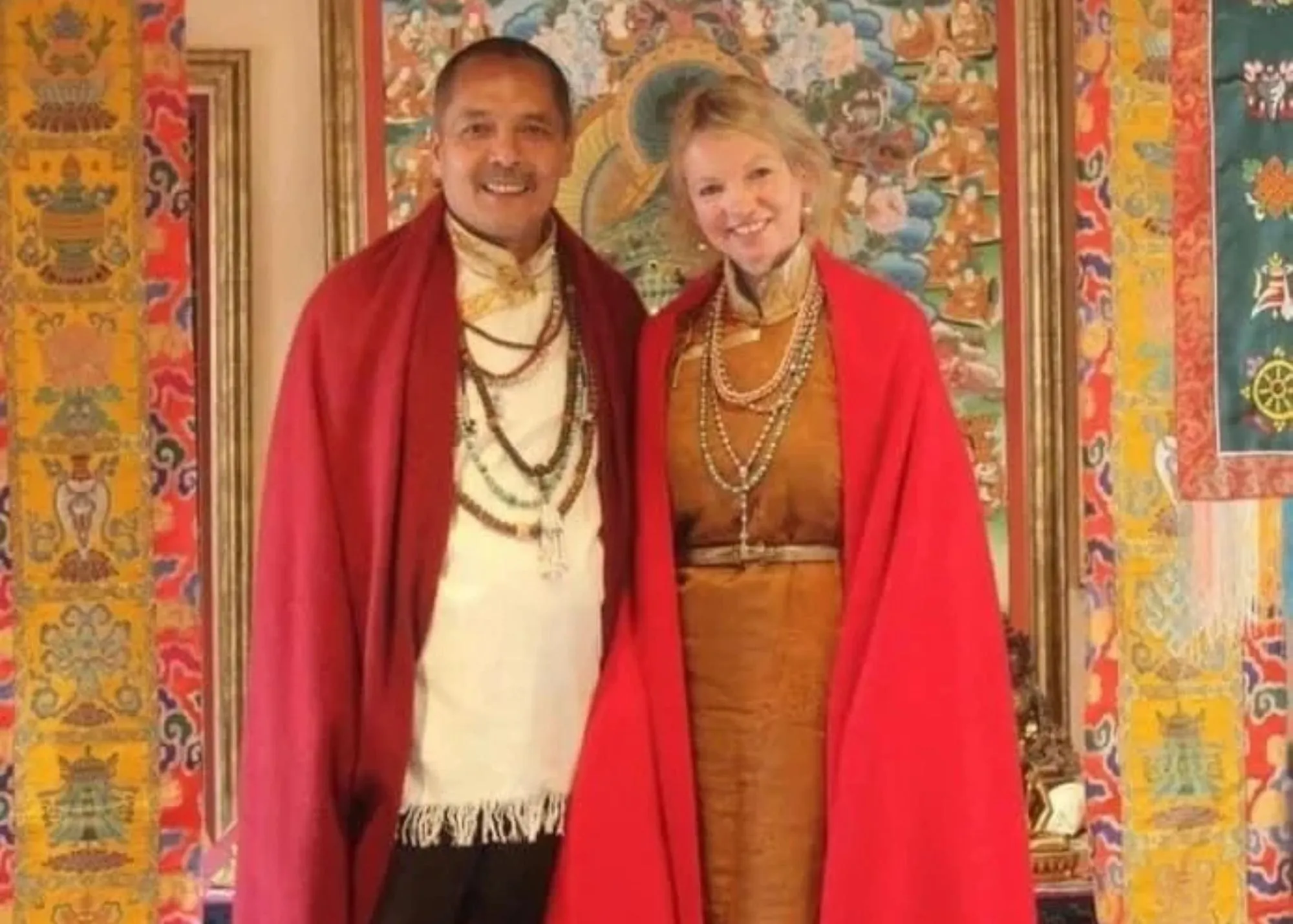
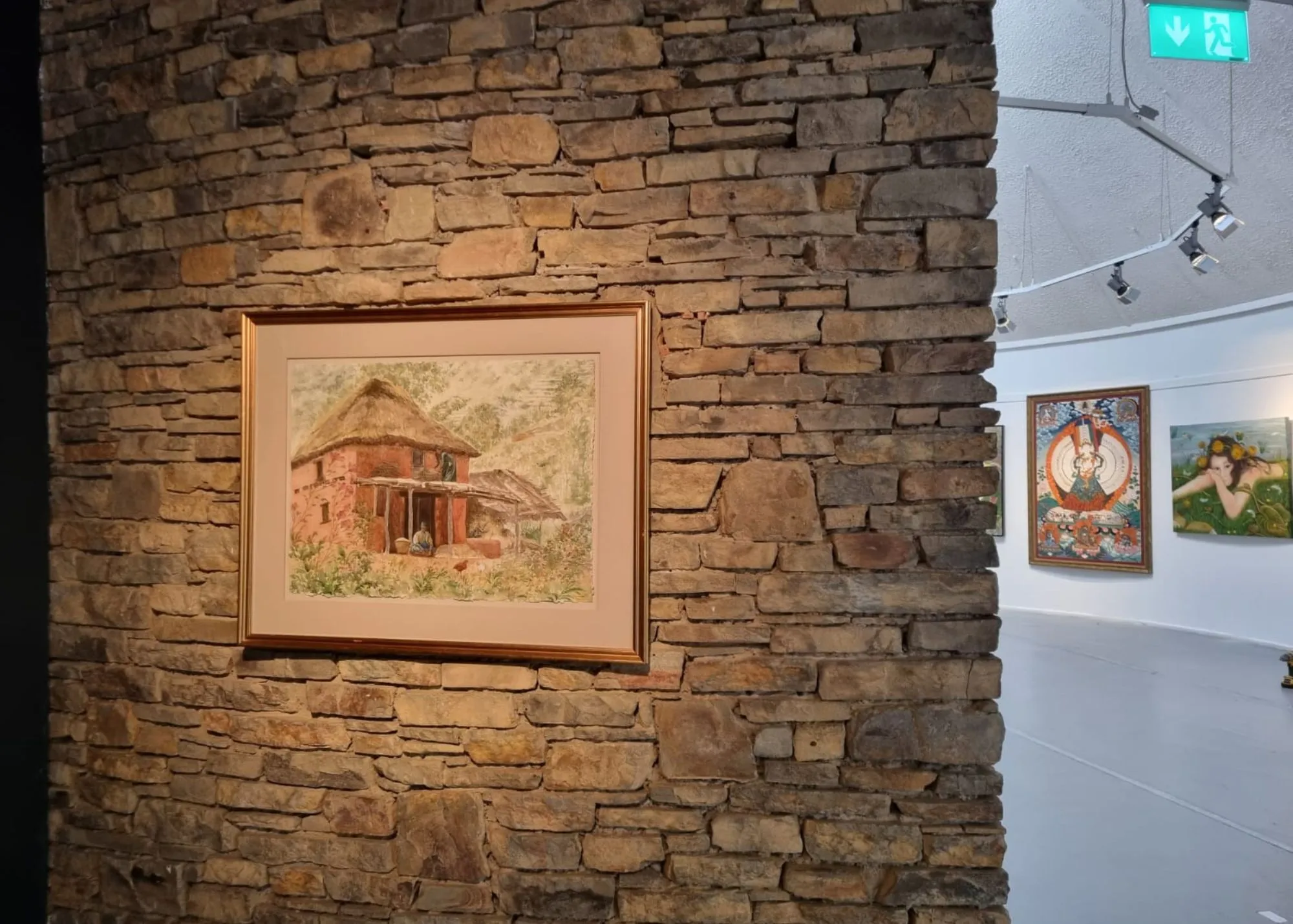
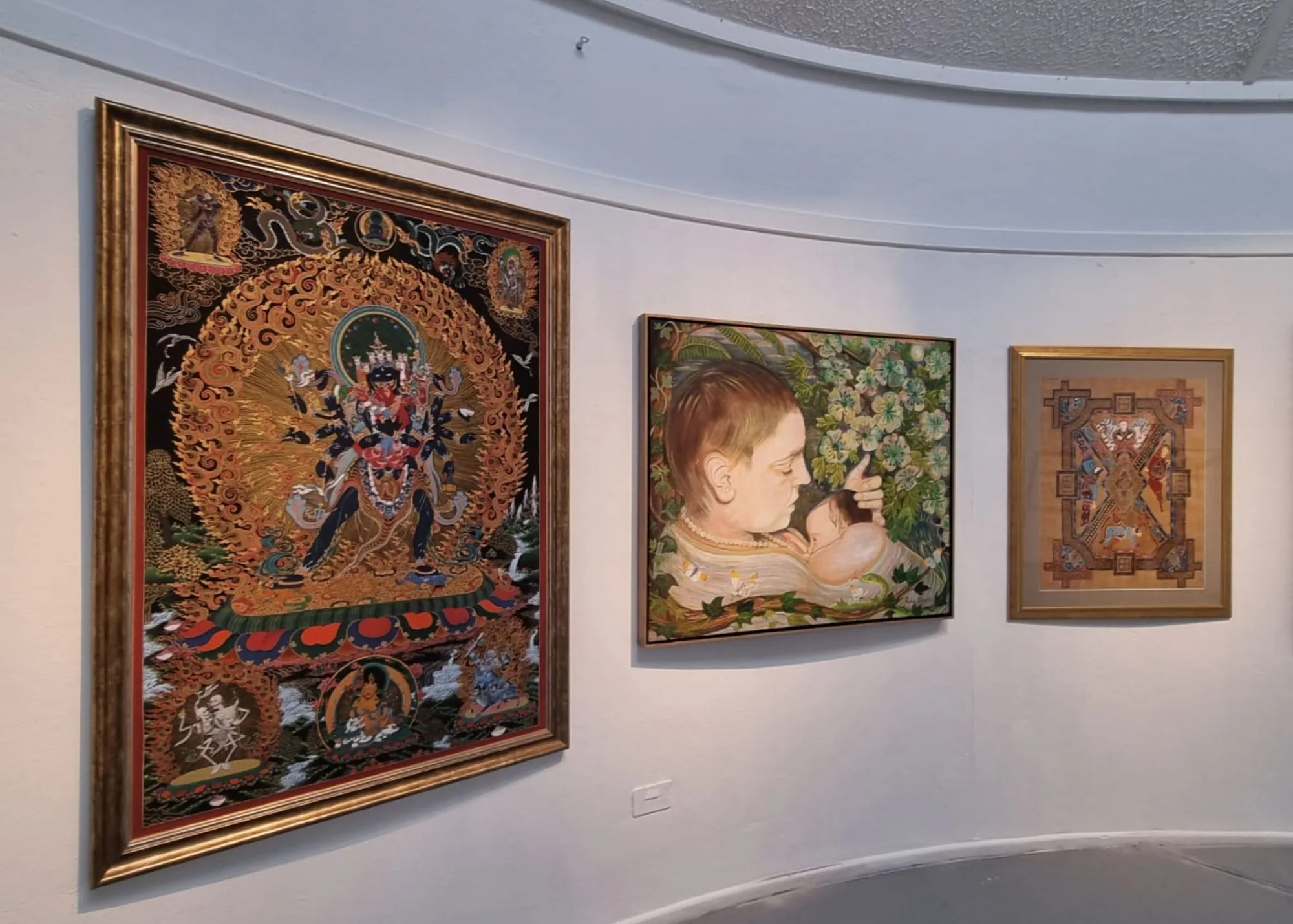
Artists Romio and Sophie Shrestha present, Two rivers of light. Their art opens a portal into dimensions of the sacred realm. A place where art, healing and consciousness merge, a healing through sight occurs.
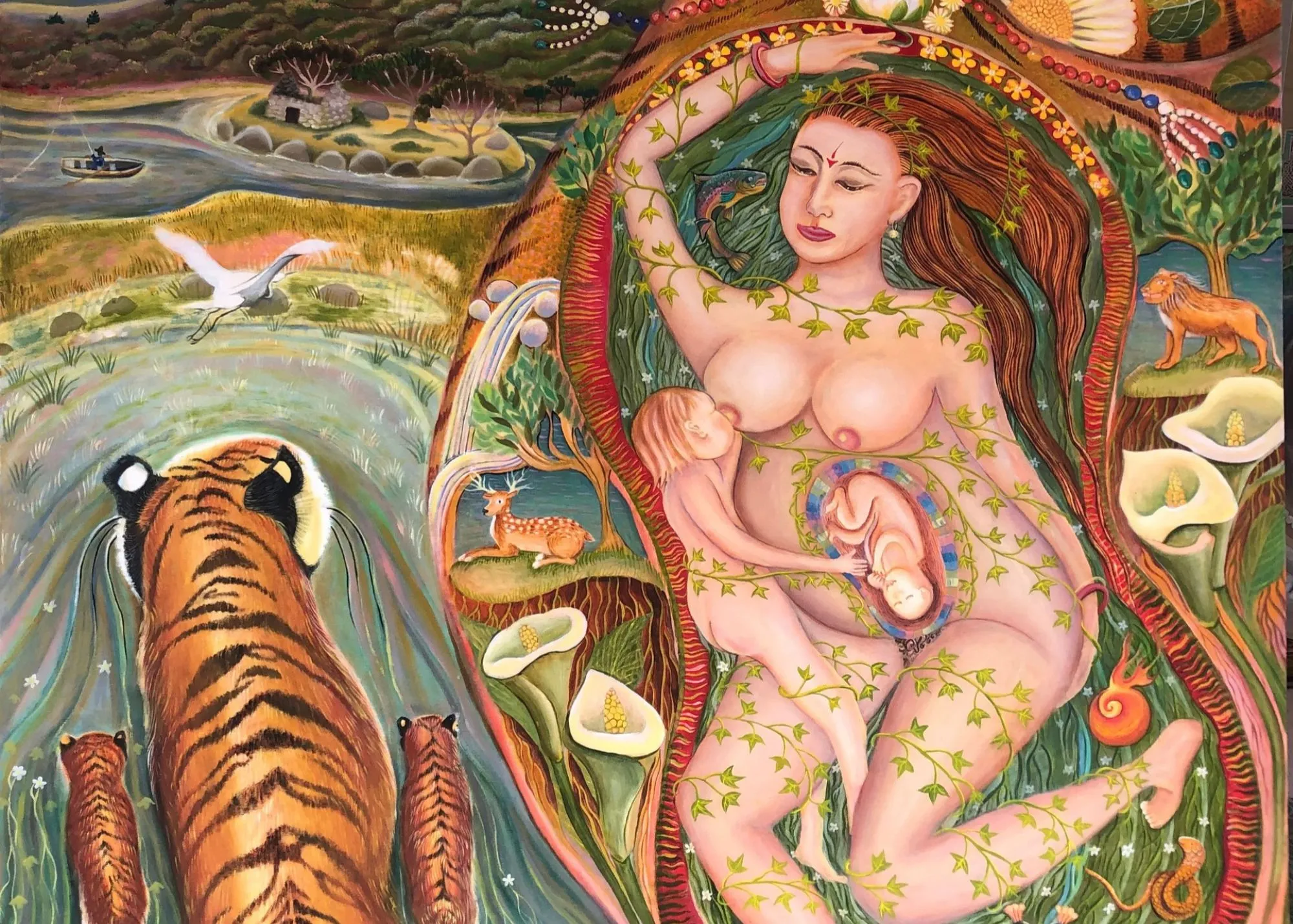
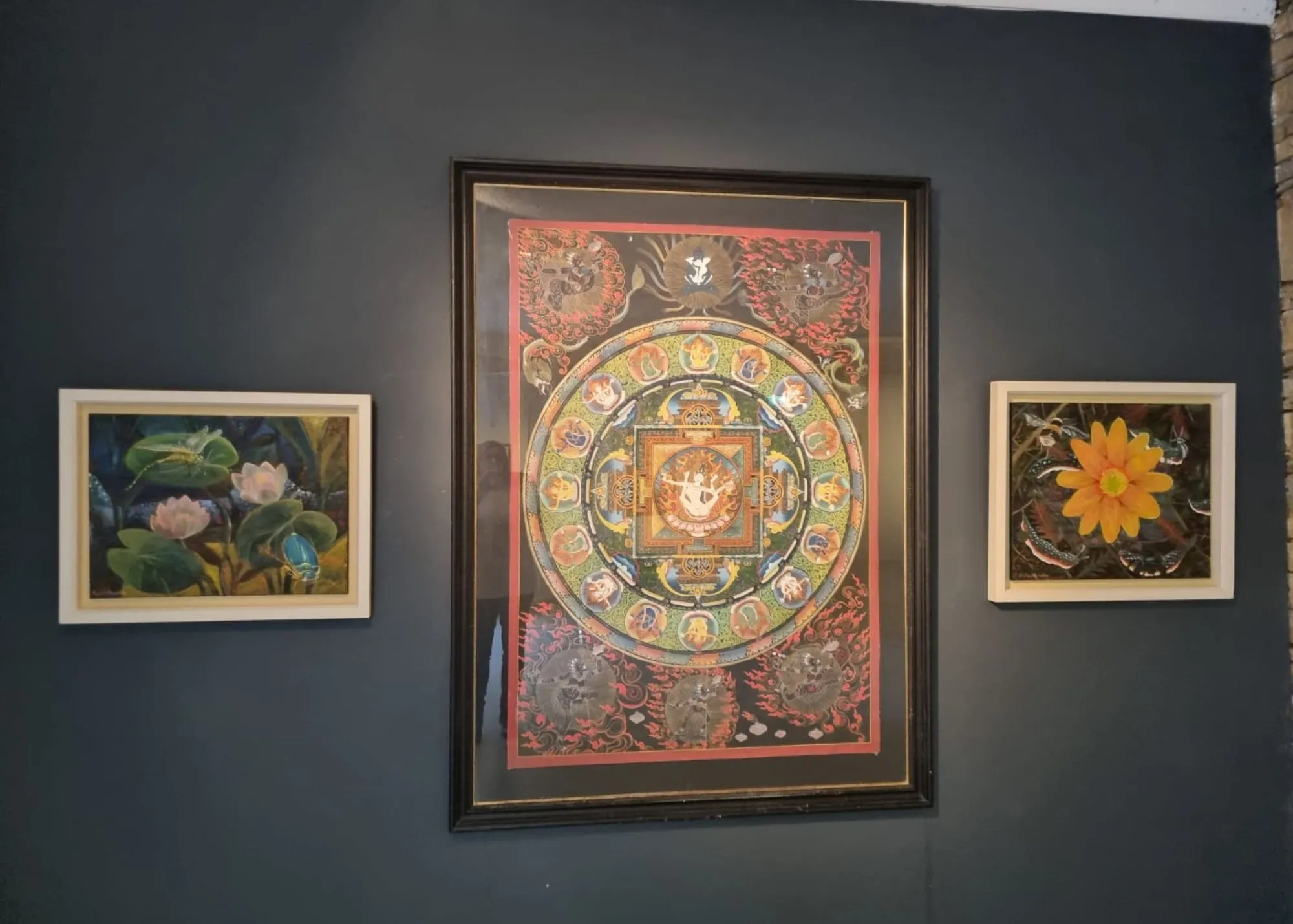
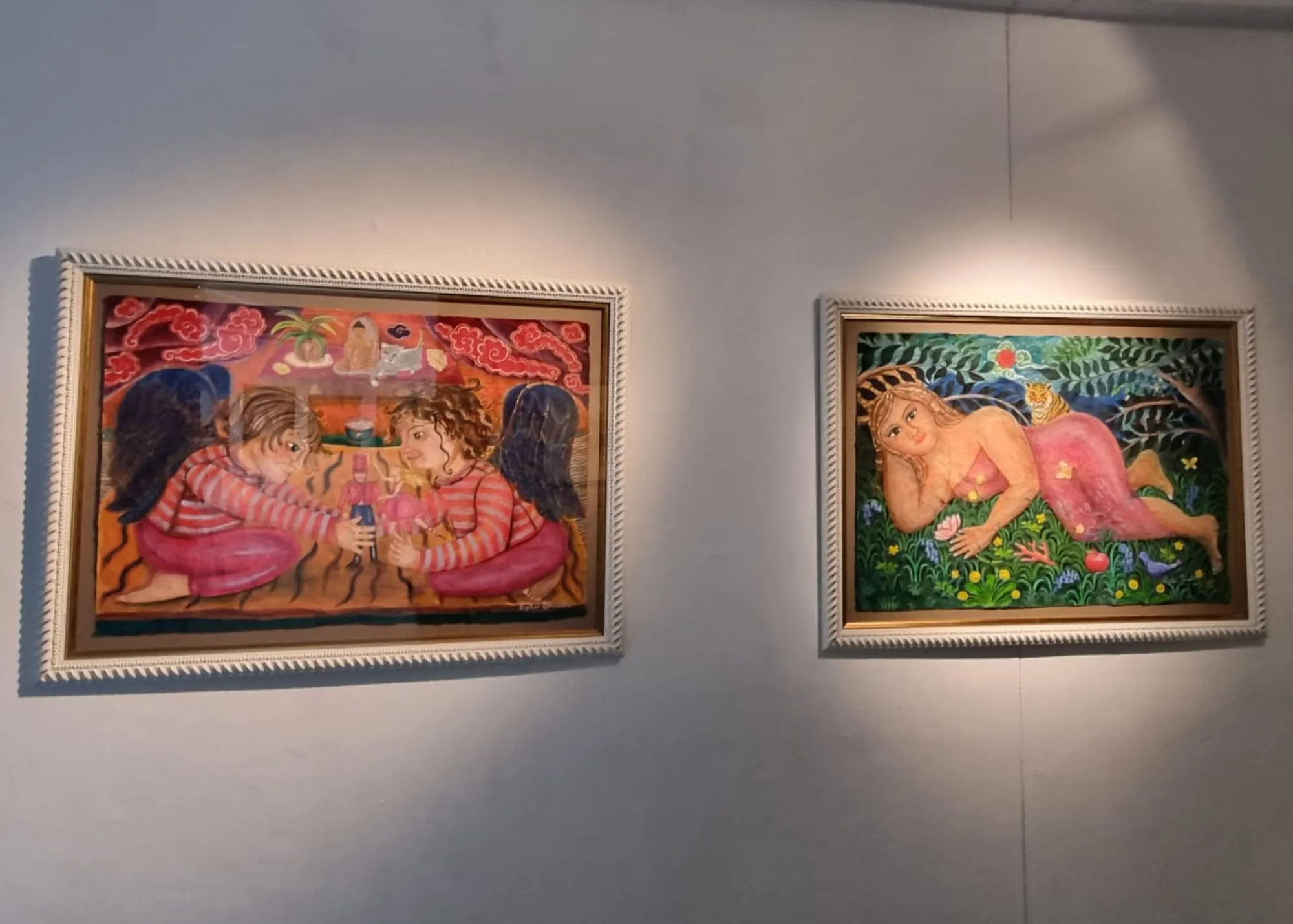
Romio’s art is rooted in the sacred lineage of Tibetan Thangka painting yet is transformed through a visionary contemporary sensibility. His work transcends cultural boundaries. It invites us to remember that enlightenment is not found in the distant heavens but in the radiance of our own being. Their art bridges the sacred traditions of the Himalayas with the sacred monastic art tradition of ancient Ireland, in much the same way as their love story bridges Asia and the west. Sophie's art examines themes of motherhood, relationship and our connection to nature.
Both Sophie and Romio's art explore restoring respect for the divine feminine. To heal the imbalance in the earth they feel we need to hear and respond to the Mother Goddess. Their art responds to the global emergence of visionary and ecological consciousness. As we move deeper into an era defined by technological distraction and ecological imbalance, the Shrestha’s art stands as a reminder of a different kind of intelligence, an ancient wisdom that sees life as sacred, interconnected and alive. The paintings become not just representations of light but transmissions of the frequency of compassion and healing into the collective field. This is not just an exhibition but a meditation, a call to remembrance, inviting us to rediscover our brilliance within. A return inward to the eternal light that has always been shining.
The Shresthas live and paint between their studios in Kerry and Kathmandu. Their art is found in Museums and private collections around the world. facebook.com/shrestha.romio
The exhibition runs from 4th–21st Nov. The official opening takes place on Thurs 5th Nov at 6pm, all are welcome to attend.